In I-601 and I-601A waiver cases, many applicants believe that proving hardship is simply a matter of showing that separation will cause serious difficulties for their family.
And in many cases, that hardship is undeniable and life-altering. Families may face emotional strain, financial disruption, medical challenges, and profound changes to daily life.
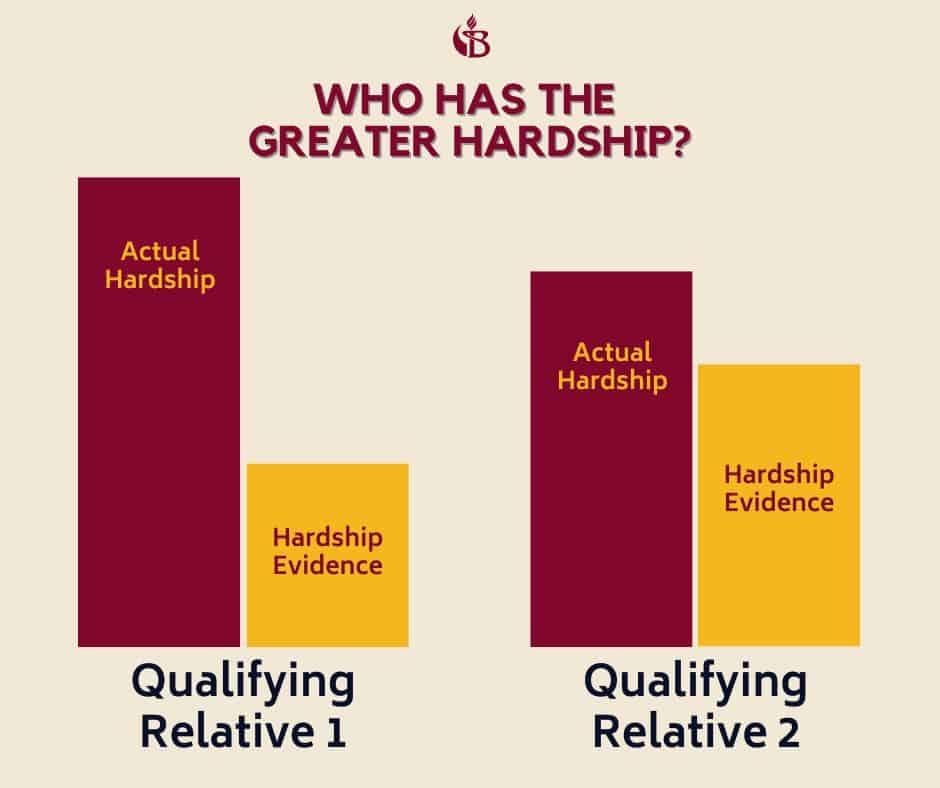
Immigration officers, however, do not approve waivers based on sympathy alone. They apply a legal framework that evaluates credibility, supporting evidence, and whether the effects on the family go beyond the ordinary consequences of separation and qualify as extreme hardship under the law.
Evidence that bridges the gap between what families endure and what the law recognizes is crucial.
That distinction — between lived experience and legal evaluation — is where waiver cases are won or lost.
Why Delay, Rumor, And Hesitation Can Quietly Derail Immigration Success
Fear is one of the most common — and costly — forces shaping immigration decisions. In this episode, Carlos Batara examines how hesitation, rumor, and misplaced hope can delay immigration action until opportunities disappear. Immigration rules change. Programs expire. And the cost of waiting can be permanent. Drawing from decades of experience, he explains why informed courage often determines who moves forward — and who waits too long.
Navigating the green card process is often a confusing journey, with unexpected twists and turns. When such moments occur, many immigrants feel confused, frustrated, and often afraid – afraid that their hopes of becoming a permanent resident are about to end.
For instance, nearly 30% of immigrants awaiting their green card interview dates, instead receive a Request For Evidence (RFE). Many times, their fear is heightened by a belief they have no additional documents to provide.
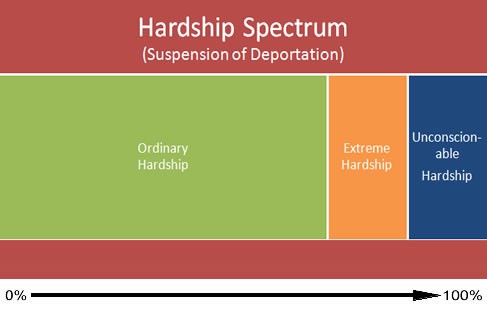
What is hardship in immigration law – and why is it important?
It’s about your family’s suffering. Simply stated, how much they will suffer if you are removed from their lives.
Hardship is an important requirement in many immigration cases. In such cases, the amount of hardship your family will endure, upon your absence, makes the difference between winning and losing.
Although the term sounds simple to understand, it is anything but simple to prove.
On June 18, 2024, President Biden announced a new program entitled “Process To Promote The Unity And Stability of Families”, for immigrant spouses of U.S. citizens.
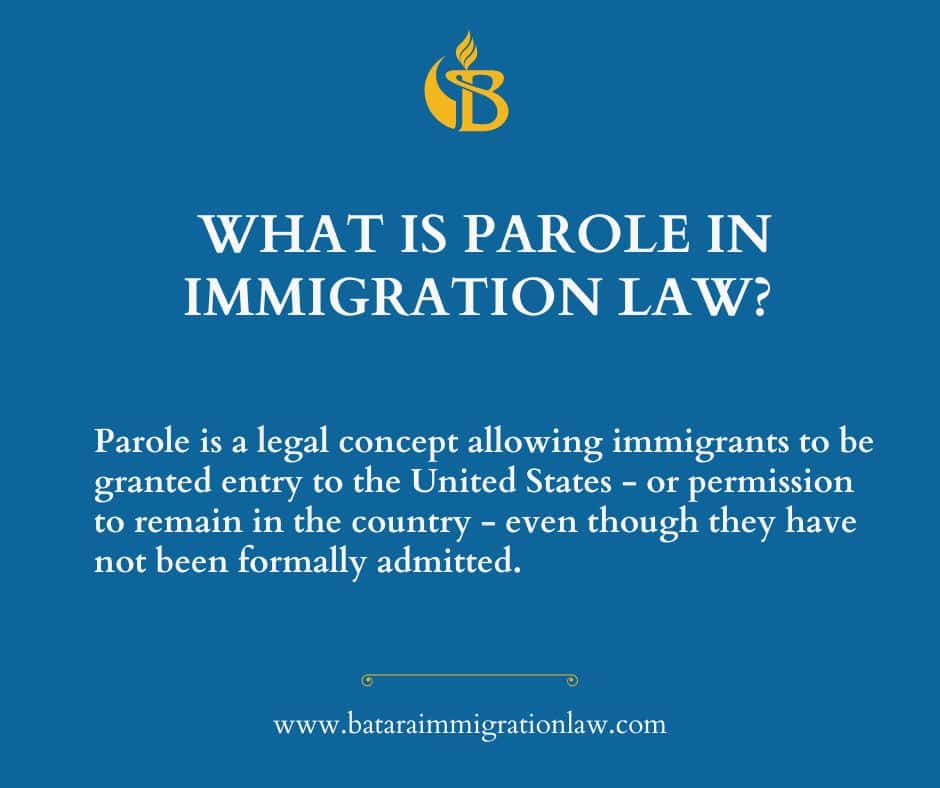
The proposal relied on a concept known as Parole-In-Place, one of the three different types of parole used in immigration law.
Under parole-in-place, immigrants are already in the U.S. – who have not been admitted – are allowed to remain in the United States. Generally, this form of parole has been reserved for specific family members of a current or past member of the U.S. military.
On November 7, 2024, the Biden proposal was struck down by a federal court. Nonetheless, parole remains an important concept for immigrants to understand.
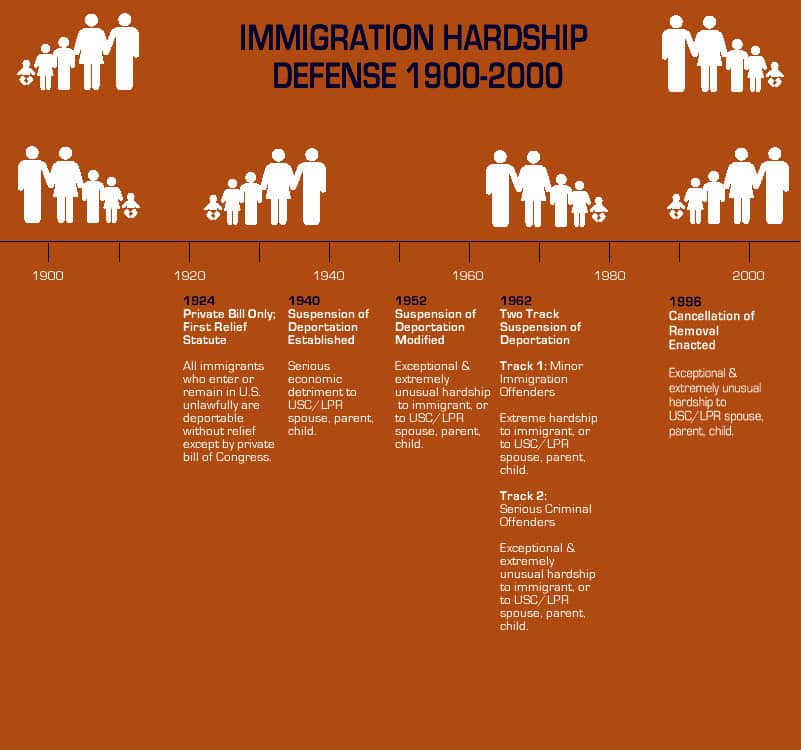
To understand many of the flaws in our immigration system today, you need to know how immigration law was transformed, or perhaps more appropriately, deformed, by changes dating back to 1996.
These measures continue to haunt immigrant families even now, nearly 30 years later.
As a deportation defense lawyer, it’s one of the most infuriating comments I hear armchair critics make about immigration reform.
“Well, I don’t get it. I don’t know why people can’t wait to enter the country legally. My ancestors had it tough, too, but they came in through proper channels.”
This infographic summarizes six core requirements for a U.S. citizen who wants to bring a foreign fiancé(e) to the United States on a K-1 fiancé visa. It is a quick-reference overview designed to simplify the rules.
K-1 cases can become complicated when prior marriages, prior immigration violations, or missing evidence create credibility concerns.