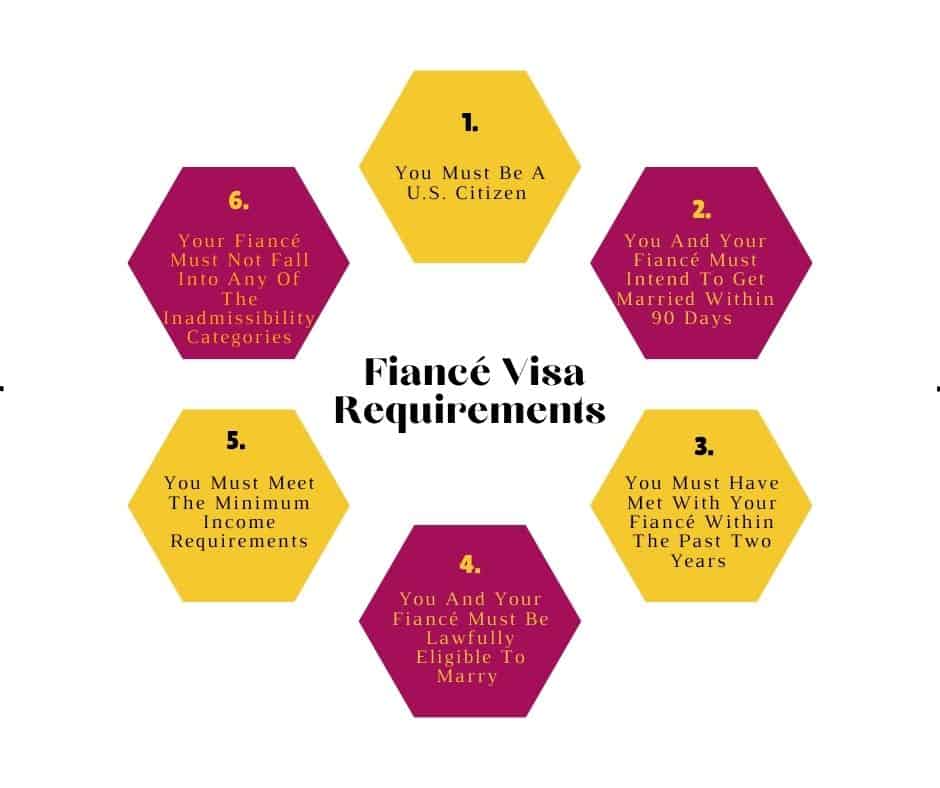
This infographic summarizes six core requirements for a U.S. citizen who wants to bring a foreign fiancé(e) to the United States on a K-1 fiancé visa. It is a quick-reference overview designed to simplify the rules.
K-1 cases can become complicated when prior marriages, prior immigration violations, or missing evidence create credibility concerns.
January 2025 Update: Given that Donald Trump has again assumed the U.S. presidency, will he once more attempt to dismantle the fiance visa program? This is an open question which we immigrant supporters will need to watch carefuul.
Shortly after President Biden took office, the Department of State announced the processing of fiancé visa petitions would be fully resumed.
The young lawyer stepped tenderly to the podium. His case was the first to be called on the 8:00 a.m. calendar.
He seemed three months out of law school.
As he spoke to the immigration judge, his voice squeaked. His motion was simple. He asked for a new hearing date.
Waiting my turn, I listened to his presentation.
He was a new associate in his office. His client’s hearing was four weeks away.
His employer believed the case presented complex issues and felt the need to personally handle the next hearing. However, his boss had a scheduling conflict and would be out of state.
I worked hard to cover every angle in advance. At the end of the hearing, the judge threw a curve at me. (I’ve learned, since then, this is not uncommon.)
In the judge’s view, my client could not prove good moral character. He said she was disqualified because she had admitted using false documents in her court testimony.
I disagreed with the judge’s factual portrayal of her statements, as well as with the legal reasoning he used to connect two unrelated rules.
The judge asked if I had any cases to support my opposition. I did not, but this did not mean my position was incorrect.
They argue, on the one hand, that immigrants steal jobs from Americans. On the other, they claim immigrants are free-loaders abusing scarce American resources, taking out more than they put into the nation’s economic system.
The two positions are contradictory. Either immigrants are stealing jobs and working, or not working and living off public benefits.